
Cement Dust Collector Filters: The Complete Guide for Industrial Air Purification
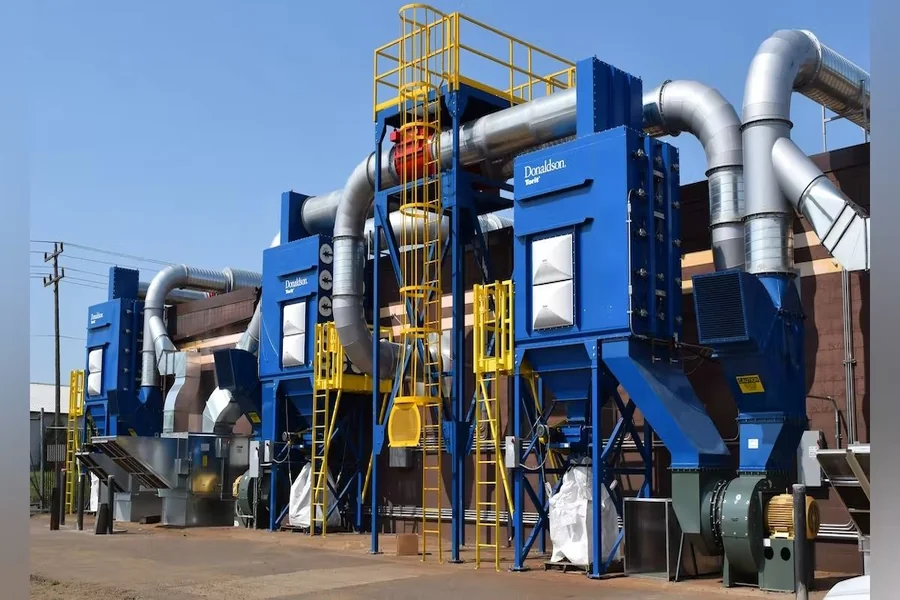
Industrial environments, especially cement manufacturing plants, produce a significant amount of airborne dust. Without proper filtration systems, this dust can affect worker safety, damage equipment, and reduce overall productivity. One of the most effective solutions for managing industrial dust is a cement dust collector system equipped with high-performance filters.
This article explains everything you need to know about cement dust collector filters, how they work, their benefits, and why choosing the right manufacturer matters.
What Is a Cement Dust Collector?
A cement dust collector is an industrial air purification system specifically designed to capture, filter, and remove dust particles generated during cement manufacturing processes. In cement plants, dust is produced at nearly every stage of production, from raw material handling to final packaging.
These systems are engineered to handle large volumes of air filled with fine and abrasive cement particles. By trapping dust before it spreads into the surrounding environment, cement dust collectors help maintain safe working conditions and ensure smooth industrial operations.
Why Dust Collection Is Critical in Cement Manufacturing
Dust control in cement plants is not optional—it is essential for safety, compliance, and efficiency. Cement dust is extremely fine and can remain suspended in the air for long periods, creating serious operational and health concerns.
Without an efficient filtration system, plants may face:
- Poor indoor air quality
- Increased machinery wear
- Production inefficiencies
- Environmental violations
A properly installed baghouse dust collector ensures that airborne particles are captured before they circulate through the facility.
What Is a Baghouse Dust Collector?
A baghouse dust collector is one of the most widely used systems in cement plants. It uses fabric filter bags to separate dust particles from contaminated air. The system works by allowing dusty air to pass through specially designed filter bags that trap particles on their surface.
As dust builds up, a cleaning mechanism removes the collected material from the bags, allowing the system to continue operating efficiently. Baghouse systems are highly effective in capturing fine cement dust and are capable of operating under continuous industrial loads.
Types of Cement Dust Collector Filters
Different cement plant operations require different types of filter materials. The correct filter choice depends on temperature, chemical exposure, and dust characteristics.
Common filter types include:
- Polyester Filters – Cost-effective and suitable for moderate temperature conditions.
- Aramid (Nomex) Filters – Designed for high-temperature environments like kiln exhaust systems.
- PTFE Membrane Filters – Provide superior filtration efficiency and chemical resistance.
- Fiberglass Filters – Ideal for very high-temperature industrial applications.
To learn more about advanced filter technologies, visit: torch-air.com
Key Features of High-Quality Cement Dust Collector Filters
High-quality filters are engineered to perform reliably in harsh industrial environments. In cement manufacturing, filters must withstand abrasive dust, high temperatures, and continuous operation. Durable materials and strong construction ensure long service life and consistent filtration efficiency.
Important features to look for include:
- High dust holding capacity
- Low pressure drop for energy efficiency
- Heat and chemical resistance
- Strong stitching and seam construction
- Long operational lifespan
Choosing premium filters reduces downtime and improves overall plant performance.
Benefits of Industrial Cement Dust Collectors
Installing a properly designed dust collection system provides multiple operational and financial advantages. Clean air improves working conditions and supports uninterrupted production.
Major benefits include:
- Improved workplace air quality
- Reduced equipment maintenance
- Compliance with environmental standards
- Lower long-term operational costs
- Enhanced production efficiency
An efficient cement dust collector system is an investment that pays off through improved reliability and safety.
Important Design Considerations
Designing a cement dust collection system requires careful planning. Every cement plant has different airflow demands and operational challenges. Engineers must evaluate system capacity, temperature levels, and dust load before selecting filters.
Key factors to consider:
- Airflow Volume – The system must handle the required cubic meters per hour (CMH).
- Operating Temperature – Filters must withstand constant and peak temperatures.
- Dust Particle Size – Fine particles require high-efficiency filtration media.
- Moisture Levels – Moisture-resistant materials may be necessary.
- Cleaning Mechanism – Pulse jet systems are commonly used for continuous operation.
A well-designed system ensures maximum efficiency and minimum energy loss.
Common Applications in Cement Plants
Cement dust collectors are installed in several critical areas within manufacturing facilities. Each location generates dust differently, requiring proper filtration planning.
They are commonly used in:
- Kiln and clinker cooler exhaust systems
- Raw mills and grinding units
- Conveyor belt transfer points
- Storage silos
- Packaging and loading stations
Strategic placement of dust collectors helps maintain consistent air quality throughout the plant.
Maintenance Tips for Cement Dust Collector Filters
Regular maintenance is essential to keep filtration systems operating at peak performance. Ignoring inspection schedules can lead to system failure and costly downtime.
Best maintenance practices include:
- Conduct routine visual inspections
- Monitor pressure drop levels
- Check for damaged or torn filter bags
- Ensure cleaning systems are functioning properly
- Replace filters before severe performance decline
Preventive maintenance extends filter life and reduces unexpected breakdowns.
How to Choose the Right Manufacturer
Selecting the right manufacturer is just as important as choosing the correct filter type. An experienced supplier understands the unique challenges of cement manufacturing and can recommend suitable filtration solutions.
Look for a manufacturer that offers:
- Proven experience in industrial dust filtration
- Custom filter design options
- High-quality certified materials
- Technical consultation and support
- Reliable production standards
A trusted supplier ensures consistent performance and long-term reliability.
Energy Efficiency and Operational Savings
Modern cement dust collector systems are designed not only for filtration efficiency but also for energy optimization. Lower pressure drop across filter bags reduces fan energy consumption, which can significantly decrease operational costs over time.
Energy-efficient systems provide:
- Reduced electricity usage
- Lower compressed air consumption
- Improved airflow stability
- Decreased maintenance expenses
These savings make advanced filtration systems a smart long-term investment.
Future Trends in Industrial Dust Filtration
The cement industry continues to adopt advanced filtration technologies to improve performance and sustainability. Innovations in filter media and monitoring systems are transforming industrial air purification.
Emerging trends include:
- Smart monitoring sensors for real-time performance tracking
- Advanced membrane technologies for higher efficiency
- Longer-lasting filter materials
- Environmentally friendly manufacturing processes
These developments enhance productivity while supporting environmental responsibility.
Conclusion
Cement manufacturing produces large volumes of fine and abrasive dust that must be properly controlled. High-performance cement dust collector filters are essential for maintaining safe working conditions, protecting equipment, and ensuring regulatory compliance.
By selecting durable materials, working with experienced manufacturers, and maintaining systems properly, cement plants can achieve efficient and reliable dust control. Investing in quality filtration solutions is not just about meeting standards—it is about improving productivity, reducing costs, and ensuring long-term industrial success.