
Pixels, Power, and Progress: How Online Gaming Is Redefining the Digital Generation
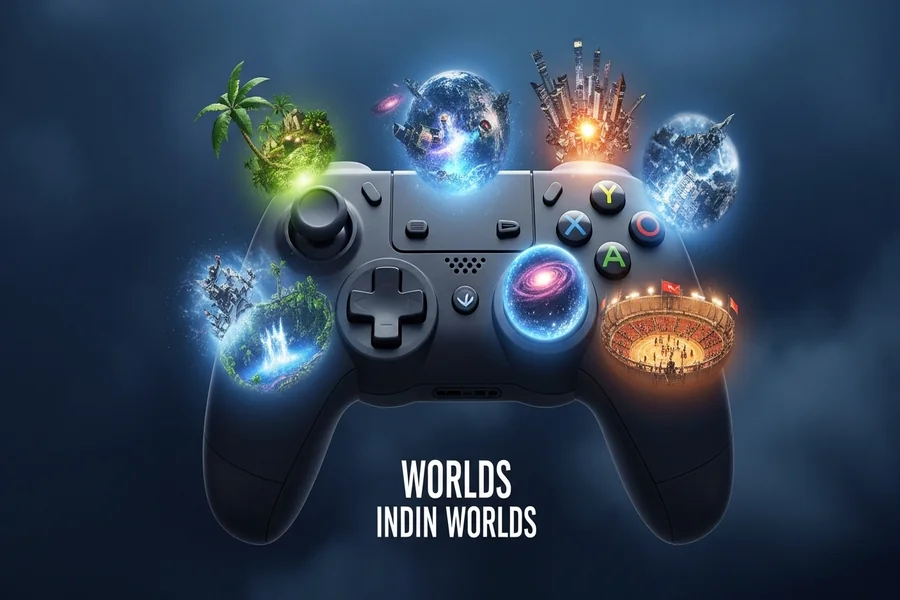
Online slot depo 5000 has evolved into one of the most powerful and influential sectors in the digital entertainment industry. Once limited to small multiplayer experiments and basic network connections, it has grown into a vast global ecosystem that blends advanced technology, social interaction, creativity, and competition. Today, online gaming is not merely about winning matches or completing missions—it is about experiences, communities, and opportunities that shape the modern digital generation.
As internet infrastructure strengthens and innovation accelerates, online gaming continues to redefine how people connect, compete, and create in virtual spaces. This article explores its transformation, cultural influence, technological backbone, and promising future.
The Shift from Local Play to Global Arenas
The earliest video games were confined to arcades or living rooms, where players competed side by side. The introduction of online connectivity changed everything. Suddenly, distance was no longer a barrier. A player in one country could challenge or cooperate with someone thousands of miles away.
Modern online games feature expansive digital arenas filled with real players interacting simultaneously. Whether it is a strategic team battle, a survival challenge, or a collaborative building experience, the core appeal lies in shared participation. Human unpredictability adds depth and excitement that artificial opponents alone cannot replicate.
This shift from isolated play to global interaction marked the true beginning of the online gaming revolution.
Technology: The Driving Force Behind Online Gaming
The rapid expansion of online gaming would not be possible without constant technological advancements. Every layer of the experience—from visuals to performance—depends on innovation.
High-Speed Connectivity
Reliable broadband and mobile data networks enable real-time multiplayer interactions with minimal delay. Lower latency ensures smoother gameplay, especially in fast-paced competitive environments where timing is crucial.
Advanced Visual Rendering
Modern graphics engines deliver cinematic experiences with detailed landscapes, lifelike characters, and dynamic environments. Realistic lighting, physics simulations, and smooth animations create immersive digital worlds.
Cloud Computing Integration
Cloud-based gaming allows players to stream games from remote servers, reducing hardware limitations. This has made high-quality gaming accessible to users who may not own expensive devices.
Intelligent Game Systems
Artificial intelligence enhances gameplay by balancing difficulty levels, optimizing matchmaking, and creating adaptive environments that respond to player behavior.
Together, these technologies form the foundation of today’s online gaming landscape.
Online Gaming as a Cultural Movement
Online gaming has grown beyond a form of entertainment; it has become a cultural force. Gaming slang, digital fashion, live-streamed events, and fan communities all contribute to its influence. Virtual concerts, seasonal events, and interactive storytelling experiences blur the lines between gaming and other forms of media.
Streaming platforms have amplified this culture. Gamers broadcast live gameplay to global audiences, building communities around shared enthusiasm. Viewers engage through chat, donations, and subscriptions, creating a participatory entertainment model.
Online gaming culture thrives on creativity, collaboration, and digital expression.
The Competitive Edge: Rise of Esports
Competitive online gaming has developed into a structured industry with professional players, coaches, analysts, and sponsors. Esports tournaments attract massive audiences, both online and in physical venues.
Teams train rigorously, studying strategies and refining teamwork. Spectators follow their favorite players much like traditional sports fans. The professionalization of gaming has introduced career opportunities in broadcasting, event management, marketing, and performance analysis.
Esports demonstrates how online gaming has evolved into a serious and respected competitive field.
Economic Expansion and Industry Influence
Online gaming contributes significantly to the global digital economy. Revenue is generated through:
- Game purchases and downloadable content
- Subscription-based memberships
- Cosmetic and in-game item sales
- Advertising partnerships
- Competitive tournament sponsorships
Developers invest heavily in research, storytelling, and design innovation. Independent creators also enter the market, offering unique perspectives and experimental gameplay mechanics.
The ripple effect extends to hardware production, software development, streaming services, and digital payment systems, reinforcing the industry’s economic significance.
Educational and Cognitive Advantages
Online gaming can foster skill development when approached responsibly. Strategy-based games enhance planning and analytical thinking. Cooperative modes encourage communication and leadership skills. Fast-paced action improves reflexes and decision-making speed.
Some platforms include creative tools that allow players to design maps, characters, and custom experiences. This nurtures imagination and technical skills that can translate into real-world applications.
When balanced with other responsibilities, online gaming can be both engaging and intellectually stimulating.
Managing Challenges in the Digital Space
Despite its benefits, online gaming presents certain challenges that require awareness and balance.
Time Management
Excessive gaming can disrupt daily routines. Establishing structured playtime ensures a healthier lifestyle.
Online Security
Protecting accounts with strong passwords and two-factor authentication reduces the risk of cyber threats.
Community Moderation
Developers actively combat toxic behavior by implementing reporting systems and moderation tools to maintain positive environments.
Responsible Spending
Understanding microtransactions helps players make informed decisions about digital purchases.
With mindful participation, online gaming remains a safe and rewarding activity.
The Future of Online Gaming Innovation
The next era of online gaming promises deeper immersion and connectivity.
Virtual and Augmented Reality Expansion
These technologies aim to provide more interactive experiences by blending digital elements with physical movement.
Dynamic Game Worlds
Future games may feature evolving environments shaped by collective player actions.
Cross-Platform Accessibility
Seamless integration across devices ensures inclusive participation, regardless of hardware preference.
Player-Driven Economies
Digital marketplaces and customizable content will likely empower users to shape gaming ecosystems further.
As innovation continues, the possibilities within online gaming appear limitless.
Conclusion: A Digital Evolution in Motion
Online bonus new member has transformed into a dynamic and influential pillar of modern digital life. It connects individuals worldwide, drives technological innovation, and creates new economic and professional opportunities. From immersive storytelling to high-stakes competitive tournaments, online gaming continues to expand its reach and redefine entertainment.
As technology advances and global connectivity strengthens, online gaming will remain at the forefront of digital culture. It is not simply about playing games—it is about participating in a constantly evolving digital universe where creativity, strategy, and community come together.
The journey is ongoing, and the next level is already loading.