
What Pet-Friendly Living Really Requires Beyond a Larger Yard
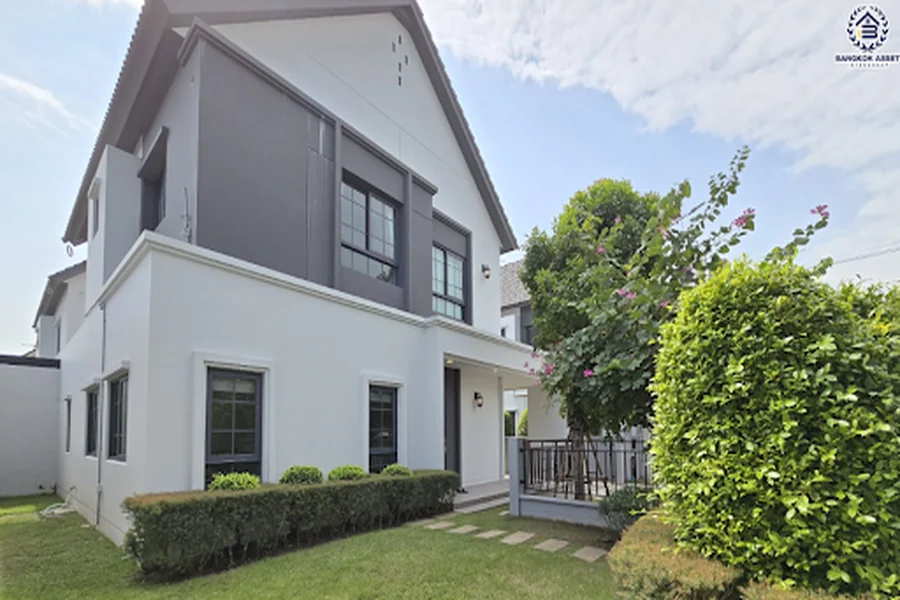
A broad lawn can make a home appear ready for pets, but daily suitability is decided elsewhere too: at the gate when a delivery arrives, on the floor after wet paws, beside the water bowl on a hot afternoon, and in the quiet corner where an animal retreats from visitors. Different species and individual animals have different needs, so no viewing can prove universal safety. What a household can do is trace its own care routine through the property and identify weak links before the yard becomes the only feature remembered.
The yard is one link in a longer chain
Outdoor space matters only when it connects safely to the rest of the home. Walk the boundary rather than judging it from the center. Look for gaps below fences, climbable objects beside walls, loose panels, drainage openings, and places where the ground level changes. Test how the main gate, pedestrian gate, and doors are used during normal arrivals. A barrier that looks substantial may still fail when two entrances must be open at once.
Shade and water access also change through the day. Observe where hard surfaces absorb heat, whether a covered area remains ventilated, and how rainwater leaves the space. The aim is not to diagnose environmental conditions from a single visit, but to locate questions worth testing at another time. Yard size cannot compensate for an exposed resting area, an escape point, or a route that forces an animal through vehicle movement.
Follow the route from arrival to rest
Imagine returning with a pet after exercise in rain or dust. Is there a controlled place to pause, remove equipment, wipe paws, and reach washing or waste supplies without crossing bedrooms or soft furnishings? Durable flooring is helpful, but transitions between outside, washing, feeding, and rest often determine how manageable the routine feels.
Indoor retreat space is equally important. A pet may need separation from young children, unfamiliar guests, maintenance workers, or another animal. Look for a room or enclosed zone that can be reached without a chase through the house and that has suitable ventilation. This is a management question, not a promise that one room will suit every animal. Owners should adapt the review to temperament, health, and professional veterinary or behavioral advice where needed.
Let materials answer practical questions
Floors, lower walls, screens, and door finishes should be evaluated for cleaning and repair as well as appearance. Notice slippery changes in surface, deep joints that can trap dirt, absorbent finishes near bowls, and corners likely to be scratched or bumped. Check whether cleaning tools, food, carriers, litter, leads, and medication have secure storage away from heat and unauthorized access.
Ventilation should be considered without assuming that an open window solves every problem. Screens, opening size, outdoor air quality, security, and noise all affect whether that option is usable. Mechanical equipment, screens, and damaged finishes may need inspection or repair by appropriate technicians. Household observation can reveal inconvenience; it cannot certify air quality or animal safety.
Control the moments when people cross thresholds
Many escape risks occur during ordinary human activity. Rehearse a delivery, a child leaving for school, a cleaner entering, or a technician carrying equipment. Can one door or gate close before the next opens? Is there a place to secure an animal temporarily without relying on someone to hold it? Are instructions visible and understandable to visitors who do not know the routine?
The same whole-route thinking appears in practical pet-friendly guidance from Bangkok Asset, bringing containment, surfaces, ventilation, storage, and household movement into one picture. That broader view is especially useful because pet-friendly living is created by several ordinary controls working together, not by a single photogenic feature.
Consider the home’s relationship with its neighbors
Sound, smells, waste handling, and shared boundaries extend beyond the plot. Spend time near adjoining walls and the front boundary, noting where barking or activity may carry and where waste travels before collection. Ask what household routines can reduce disturbance, and check any applicable community rules through the responsible body rather than relying on assumptions.
A strong pet-home match is therefore a routine that remains workable on busy days, wet days, and days when strangers enter. Review the entire sequence from arrival to feeding, exercise, cleaning, rest, and waste removal. The useful conclusion is not that a property is “pet-proof.” It is that the household understands the remaining risks, knows which changes are realistic, and can seek qualified advice for issues that a viewing cannot settle.